Telehealth visits from the comfort of your home · IBCLC-certified · Board-Certified Pediatrician in AZ, TX, and FL.

Behavioral & Developmental Care for Ages 4–21
Real answers for tantrums, focus, anxiety, mood, and development, from a pediatrician who sees your child at home. Hablamos español.

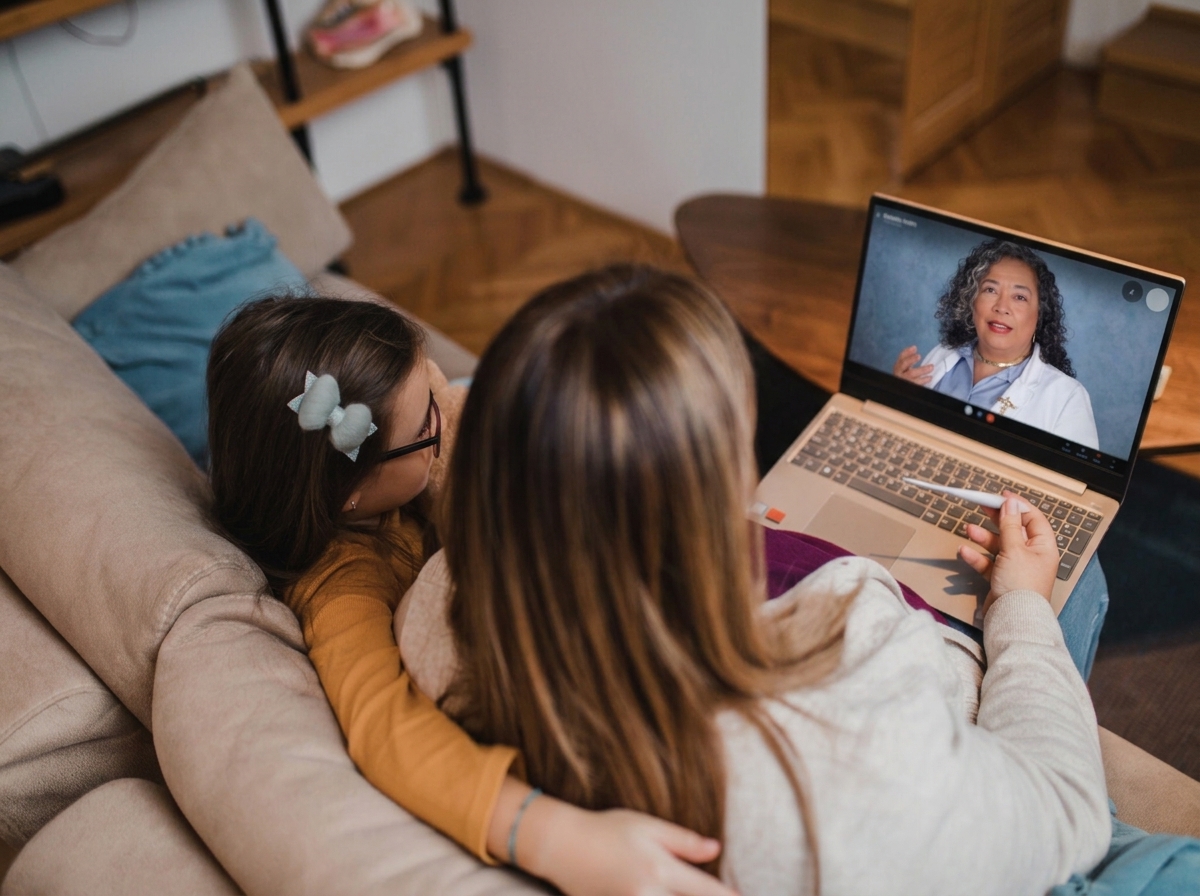
Your child may be different at home than in a doctor’s office.
You already know this. The meltdown that never happens in the exam room happens at 7 a.m. before school. The shy child at the clinic is the one who can’t stop talking at dinner. You’re the one who sees the real picture.
At Mind Milk MD, we start there. Telehealth lets me observe your child where they feel safe and are being themselves, and then help you try strategies in the same space where they’ll actually be used. Research on telehealth treatment of behavior problems in children with developmental delay supports this approach.
At Mind Milk MD, we start there. Telehealth lets me observe your child where they feel safe and are being themselves, and then help you try strategies in the same space where they’ll actually be used. Research on telehealth treatment of behavior problems in children with developmental delay supports this approach.
Why experience matters
A good evaluation takes more than a checklist. I bring 11 years of pediatric experience, in both public health and private practice, to every visit. That means:
Time to listen. I take a full history and observe behavior instead of rushing an impersonal 15-minute appointment.
Proven tools. I use validated screening questionnaires alongside clinical judgment, so you get findings, not guesses.
A clear plan. You finish a meeting knowing what’s going on, what to try first, and who else needs to be involved.
Evidence-Based Practice
Changing how you access healthcare can feel intimidating. You may be stepping out of your comfort zone. If you are hesitant about whether a screen can capture the complexity of your child’s needs, we invite you to see the evidence. We aren’t just “convenient”—we are clinically meticulous.
Pediatric mental health experts speaking at an American Academy of Pediatrics (AAP) virtual office hour recommended that pediatricians use telehealth to observe children in their own environment and to coach caregivers of younger children in evidence-based behavioral skills.*
*Pediatric mental health experts share tips to make the most of telehealth visits,” AAP News, January 15, 2021.

Child Behavioral Questions Parents Ask Most
Is my child’s behavior normal, or is it something more?
Many behaviors are a normal part of growing up. It’s worth a closer look when a behavior is intense, lasts for weeks or months, or gets in the way of school, friendships, sleep, or family life. If you’re asking the question, a conversation with a pediatrician is a good next step.
How can I tell ADHD from a child who’s just energetic or distracted?
Every child gets distracted. ADHD means trouble with attention, impulse control, or restlessness that shows up across settings (home, school, activities), starts early, and is more than what’s expected for the child’s age. A proper evaluation includes your history, rating scales, and often input from teachers.
Why does my child have meltdowns or explosive anger, and what helps?
Big outbursts usually have a reason underneath: anxiety, trouble with transitions, sensory overload, poor sleep, difficulty with language, or a developmental difference. Once we find the trigger, we can build a plan, including what to do in the moment and how to prevent the next one.
Could my child have autism or another developmental difference?
Signs can include difficulty with social connection, intense or narrow interests, strong reactions to sounds or textures, rigid routines, or delays in speech or learning. Many children, especially girls and teens, are identified later because they’ve learned to “mask.” I assess for neurodivergence and help you understand what your child needs.
Can a telehealth visit really evaluate behavior and development?
Yes. Seeing a child in their own home often gives a more accurate picture. The visit combines your detailed history, standardized screening tools, and direct observation. If your child needs in-person testing or a specialist, I’ll tell you and help arrange it.
What are signs of anxiety or depression in kids and teens?
Anxiety can look like constant worry, stomachaches, school avoidance, perfectionism, or irritability. Depression can look like withdrawal, loss of interest in things they love, changes in sleep or appetite, falling grades, or a short fuse. In young people, sadness often shows up as anger or exhaustion. I also screen for OCD.
Will my child need therapy or other services?
Sometimes, and sometimes not. If your child would benefit from therapy, school supports such as an IEP or 504 plan, or a specialist, I’ll guide you to the right professional so you aren’t navigating the system alone.
For parents of teens…
If your teen has lost their spark, or their “attitude” feels like a cry for help, you don’t have to guess. I help with:
Assessment for anxiety, OCD, depressive symptoms, and neurodivergence-related burnout.
Guidance for you and your teen on school pressure, friendships, and social fallout.
Referrals to intensive therapy or school support when needed, so your teen gets in front of the right person.
I speak with teens respectfully and directly, because they can tell when they’re being talked down to.

You don’t need another
“it’ll pass”.
You need someone who takes your concerns seriously, gives you honest answers, and helps you put a plan in motion.
Ready for answers?
If you’re ready for a doctor who tells it like it is and works with you to fix it, let’s get to work.
Ready for answers?
If you’re ready for a doctor who tells it like it is and works with you to fix it, let’s get to work.
