Telehealth visits from the comfort of your home · IBCLC-certified · Board-Certified Pediatrician in AZ, TX, and FL.

Infant & Toddler Nutrition & Feeding Support
From first spoonful to family dinners: pediatrician-led feeding help, from the comfort of your home.
If you’re standing in your kitchen wondering whether your baby is ready for solid food, what to offer first, or why your little one just spit out the sweet potato, you’re not alone. These are the questions I hear every week.
I’m Dr. Lucia Ferreras-Cox, a board-certified pediatrician and IBCLC lactation consultant with 11 years of experience caring for babies and their families. My goal is simple: to give you clear, calm, judgment-free answers so feeding your baby feels less stressful and more joyful. Se habla español.


Nourishing Your Baby at Every Stage
Every baby grows at their own pace, and every family eats a little differently. Whether you’re moving from the bottle to your first spoonful of food, dealing with reflux, wondering about food allergies, or facing a toddler who suddenly refuses everything but crackers, I’ll help you build a plan that fits your baby, your family’s values, and your timeline.
Starting Solids: Your Questions Answered
Do I stop breastfeeding or bottles once solids begin?
No. Breast milk or formula stays your baby’s main source of nutrition until their first birthday. Think of early solids as practice and a side dish, not a replacement for milk. As your baby eats more food, milk feeds will gradually shift. If you’re also working on moving from the bottle to a cup, I’ll help you build a gentle plan that suits your baby.
What are the best first foods?
Around 6 months, your baby’s natural iron stores start to run low, so iron-rich foods are a smart place to begin. Good options include iron-fortified infant cereal, mashed or pureed meat, beans, lentils, tofu, and eggs. Add soft fruits and vegetables, avocado, and plain yogurt along the way. You don’t need to follow a strict order. Offer a variety, one new food at a time, and let your baby explore.
Should I do purees or baby-led weaning?
Both work, and many families do a mix. Purees and mashed foods are offered on a spoon. Baby-led weaning means offering soft finger foods your baby can pick up. What matters most is that the food is the right texture for your baby, that they sit upright in a high chair, and that an adult is always watching. I’ll help you choose the approach that feels right for your family.
What’s the difference between gagging and choking?
Gagging is loud, noisy, and a normal part of learning to eat. It means your baby’s airway protection is working. Choking is usually silent: your baby can’t cough, cry, or breathe. That is an emergency. Always supervise meals, keep your baby seated upright, and never leave them alone with food. I recommend every parent take an infant CPR and choking class.
What foods should I avoid in the first year?
- Honey: Not until 12 months, even baked into foods, because of the risk of infant botulism.
- Cow’s milk as a drink: Yogurt, cheese, and cooking with milk are fine, but wait until 12 months for milk in a cup.
- Juice, added salt, and added sugar: Your baby doesn’t need them.
- Choking hazards: Whole grapes, whole nuts, popcorn, hot dogs, raw hard vegetables like carrots, hard or sticky candy, and thick globs of nut butter. Cut foods into small pieces, mash them, or cook them until soft.
When should my baby start solid foods?
Most babies are ready around 6 months old. The calendar matters less than your baby’s readiness. Look for these signs:
- Sits upright with little or no support.
- Holds their head steady.
- Shows interest in food, such as watching you eat or reaching for your plate.
- Opens their mouth when food comes near and can move it to the back to swallow, instead of pushing it out with their tongue.
There’s no advantage to rushing. If your baby was born early or has a health condition, readiness can look different, so check with me before you start.
How do I introduce allergens like peanut and egg?
The good news is that current guidance encourages introducing common allergens early, alongside other solids, rather than waiting. Early introduction may help lower the chance of a food allergy. Common allergens include peanut, egg, cow’s milk products, wheat, soy, sesame, tree nuts, fish, and shellfish.
Here are some tips to keep it safe:
- Offer one new allergen at a time, in a small amount, and wait a few days before trying another so you can tell which food caused a reaction.
- Try it earlier in the day so you can watch your baby afterward.
- Serve it safely. Thin peanut butter with water or mix it into food. Never give thick spoonfuls or whole nuts.
- Mild signs of a reaction include hives, a new rash around the mouth, or vomiting. Severe signs include trouble breathing, a limp or very weak baby, or swelling of the tongue or throat. If you see severe signs, call 911.
If your baby has severe eczema or you already suspect a food allergy, talk to me before introducing these foods.
How much should my baby eat?
Start small, about one or two tablespoons once a day, and build up slowly as your baby shows you they want more. Appetite changes from day to day, and funny faces or spitting food out are normal. A new food can take many tries before your baby accepts it, so keep offering without pressure.
When Feeding Your Baby Gets Harder
Sometimes feeding is more than learning a new skill. Here are some things I help families with every day.
My breastfed baby has severe reflux and green, streaky stools. Could it be a food allergy or milk intolerance?
It can be, and we can start figuring it out by telehealth. Problems like cow’s milk protein allergy or FPIES are sorted out through a careful feeding history and close tracking, not a single test. I’ll guide you through a step-by-step plan, which may include a temporary change to your own diet or a formula transition. I’ll teach you what to look for in your baby’s stools and show you how to track growth with a home scale, so your baby’s gut can heal while they keep growing well.
Some symptoms shouldn’t wait for a visit. If your baby is limp or very sleepy, vomits repeatedly after a new food, has blood in their stool, or isn’t gaining weight, call your doctor right away or go to the nearest ER.
My baby refuses solids or gags a lot. Is something wrong?
Most of the time, no. Many babies need time and patience. But if your baby consistently refuses food, mealtimes are full of tears, or you’re worried about weight, we can look at the whole picture together and find a gentler path.
How Telehealth Feeding Visits Work
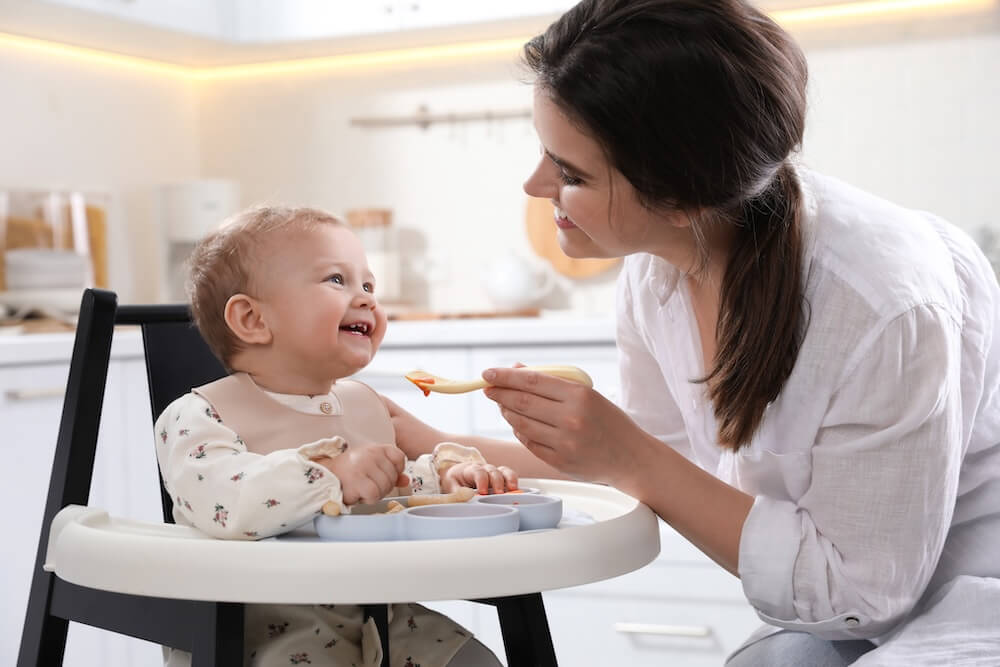
You don’t need to bring a squirmy baby to an office. We meet by secure video call while your baby is in their own environment, which often gives me a better view of how feeding really goes. During your visit, I will:
- Review your baby’s feeding and health history
- Check readiness for solids and talk through food textures and first foods
- Build a plan for allergen introduction, reflux, or food sensitivities
- Show you how to monitor growth at home
- Answer your questions in English or Spanish
Telehealth visits are available to families in Arizona, Texas, and Florida.
Your Baby’s Nutrition
Journey Starts Here
You don’t have to figure this out alone. Book a personalized consultation and leave with a plan you feel confident about.
